Ancient engineering, haunting folklore, and how smoke offerings offer a more humane way to honor restless spirits

In a teaching session, my students mentioned Da Sheng Zhuang. This ancient ritual still makes me feel uneasy. I grew up in Southeast Asia, and I still have strong memories of this practice. It’s tough to revisit them even now.
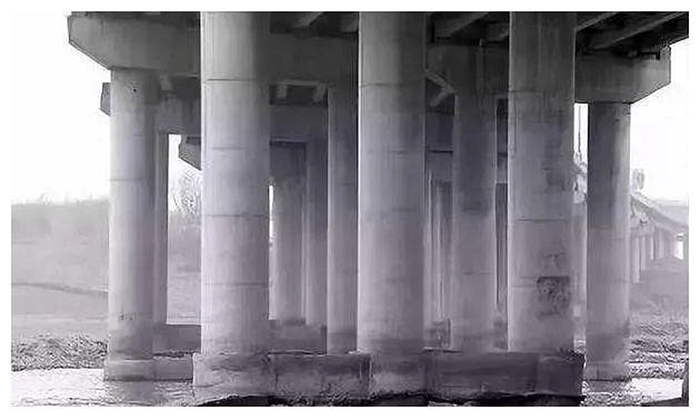
In Southeast Asian construction folklore, Da Sheng Zhuang involves burying living humans. Later, this practice changed to burying animals. They made this offering under bridges or piers to ensure smooth construction. I once saw such a ceremony firsthand, led by a local shaman under the guidance of my mentor. The scene was terrifying, etched into my mind, and later haunted my dreams. Many old rituals have faded away as civilization has advanced. The spiritual beliefs behind them are important. They especially focus on honoring the spirits of the dead. This deserves more thought.
This article looks at the history of Da Sheng Zhuang. I will explore its roots and decline using history, folklore, and spiritual care. I suggest a peaceful option — smoke offerings. This respects the spirits involved and supports modern human values.

1. Historical Origins and Regional Distribution
The ritual called Da Sheng Zhuang has different names in various cultures. In Malay, it’s known as pengorbanan manusia. In Burmese, it’s called မြို့စတေး. In Indonesian, it’s referred to as tumbal proyek. Japanese traditions name it hitobashira, meaning “human pillar.” In Taiwanese esoteric practices, it’s sheng zhang, which means “living burial.” The term Da Sheng Zhuang likely started in Hong Kong. It likely originated from stories shared by older generations. Some remember rituals done at bridge sites near temples in the New Territories.
This practice used to be common in East and Southeast Asia. People see it as a type of human sacrifice. The details varied by region, but the main idea stayed the same. Before big construction projects, like bridges, people sometimes buried a living child in the foundation. This extreme act was believed to ensure structural stability and protect against misfortune.
Some dismiss this as a result of superstition or illiteracy. Archaeological findings show that this custom has roots in early Chinese civilization. Archaeologists discovered child remains at the Dongzhao site. These remains are over 3,000 years old and are located in Zhengzhou, central China. These belong to the Erlitou culture and likely relate to ritual sacrifice. These findings suggest that sacrificial foundation rituals likely started during the Xia and Shang dynasties.

2. Cultural Psychology and Folk Beliefs
Da Sheng Zhuang shows the ancient Chinese belief in tian ren gan ying. This means there is a cosmic connection between humans and nature. In this view, big construction projects could upset the earth’s spiritual balance. So, they needed to make sacrifices to soothe the angry deities. The classic text Book of Rites says, “Avoid big projects in certain months to protect agriculture.” This highlights the importance of honoring spirits before farming.
In folklore, bridges and dams — structures crossing over water — required special attention. People saw water as a source of strong yin energy. People believed it could draw spirits or bring bad luck. People believed that even graveyards near the Vietnam-Cambodia border hosted “living burials.”
While in Japan, I studied the Konjaku Monogatari-shū. It tells how spirits like Hashihime would disturb bridge-building without offerings. Chinese stories echo this theme: the legend of the River God demanding a bride is one such example. These stories often arose to explain fatal construction accidents as supernatural events. Today, we see them as signs of cultural fear and weak science, not as divine punishment.

3. The Clash Between Modern Engineering and Folk Tradition
As science grew, metaphysical ideas faded. So, they left behind the tough practice of Da Sheng Zhuang. After the founding of modern China, it faced complete rejection as inhumane. Even in the early 20th century, scholars expressed their criticism openly. One author of Water Gods of China wrote: “Feeding a bridge with humans is no different than feeding a tiger.”
Modern engineering shows that construction safety relies on three key factors: good geological surveys, quality materials, and effective methods. It’s not just about human effort. Still, memories of these rituals linger in cultural consciousness. In Hong Kong and Guangdong, elders warn people not to walk under some bridges at night. They believe it helps avoid contact with “unclean” forces. In Taiwan, urban legends persist — like the tale of a crying child heard beneath the Wanhua rail bridge. These ghost stories are modern echoes of Da Sheng Zhuang. They reflect common fears shaped by history.
We, as students of traditional culture, need to look back and rethink old views. This helps us avoid repeating past mistakes. We can also offer rituals like smoke offerings. This is a gentle way to honor those who sacrificed themselves. It blends cultural respect with modern compassion.

